


We design Digital Experiences for Technology
We design
for
Our Future is the Ultimate Project
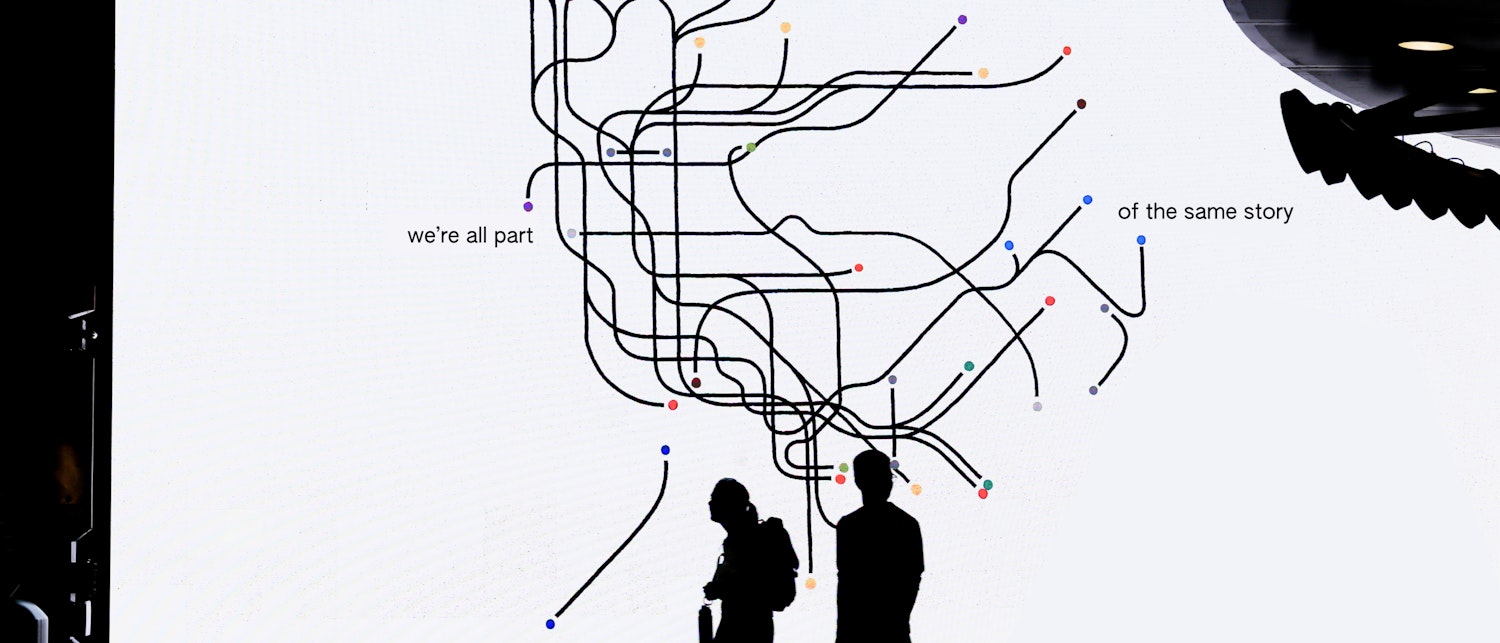
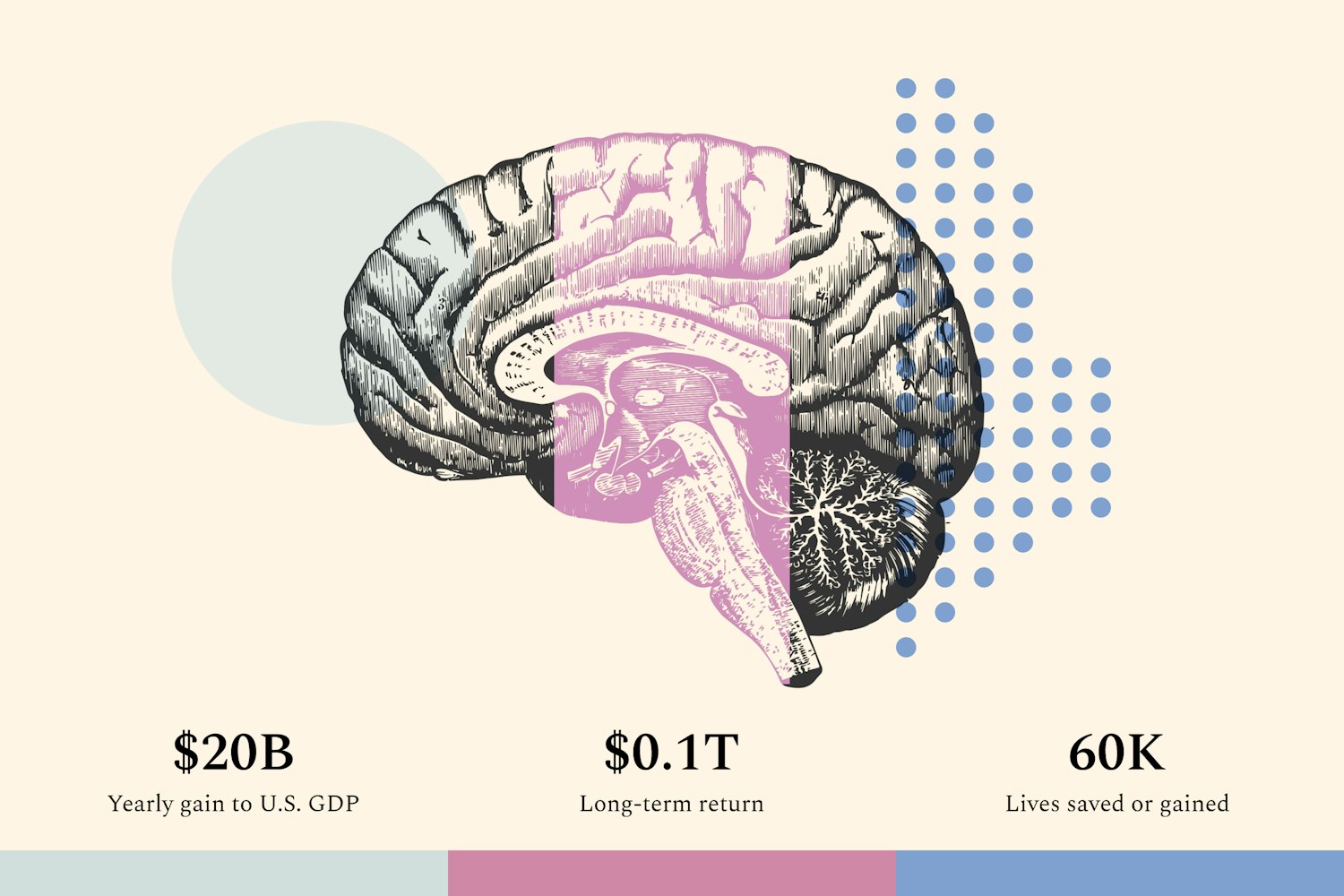
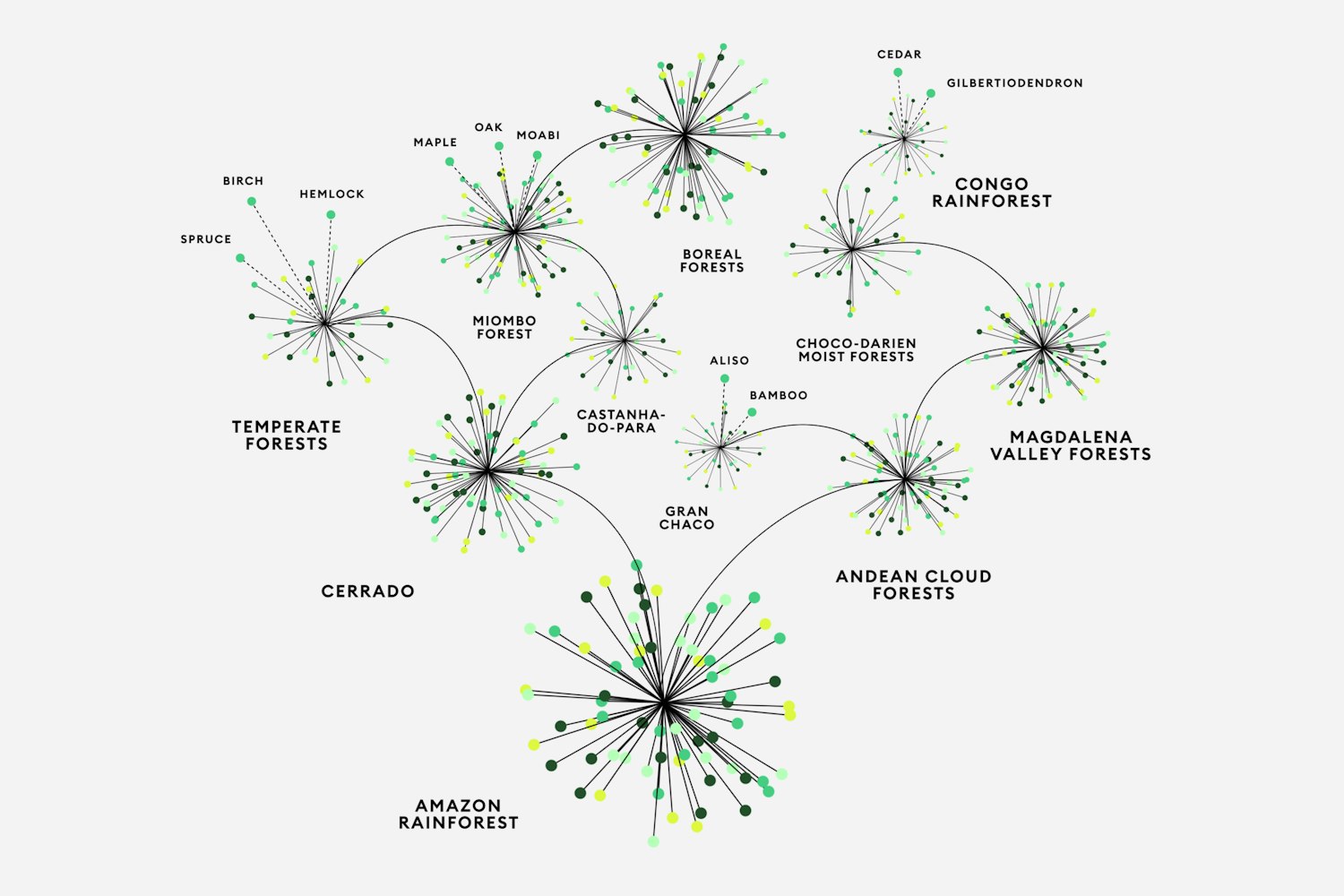
Deploying information design, branding, installations, and digital applications, Formartly has partnered with groundbreaking environmental organizations around the world – public, private, and nonprofit – to confront the challenge of climate change. Addressing complex data and scientific concepts requires not just precision and rigor, but empathy and humanity. And in the face of urgency that can sometimes seem overwhelming, we must never forget the power of beauty, storytelling and, above all, optimism.


The Secret Life of Things
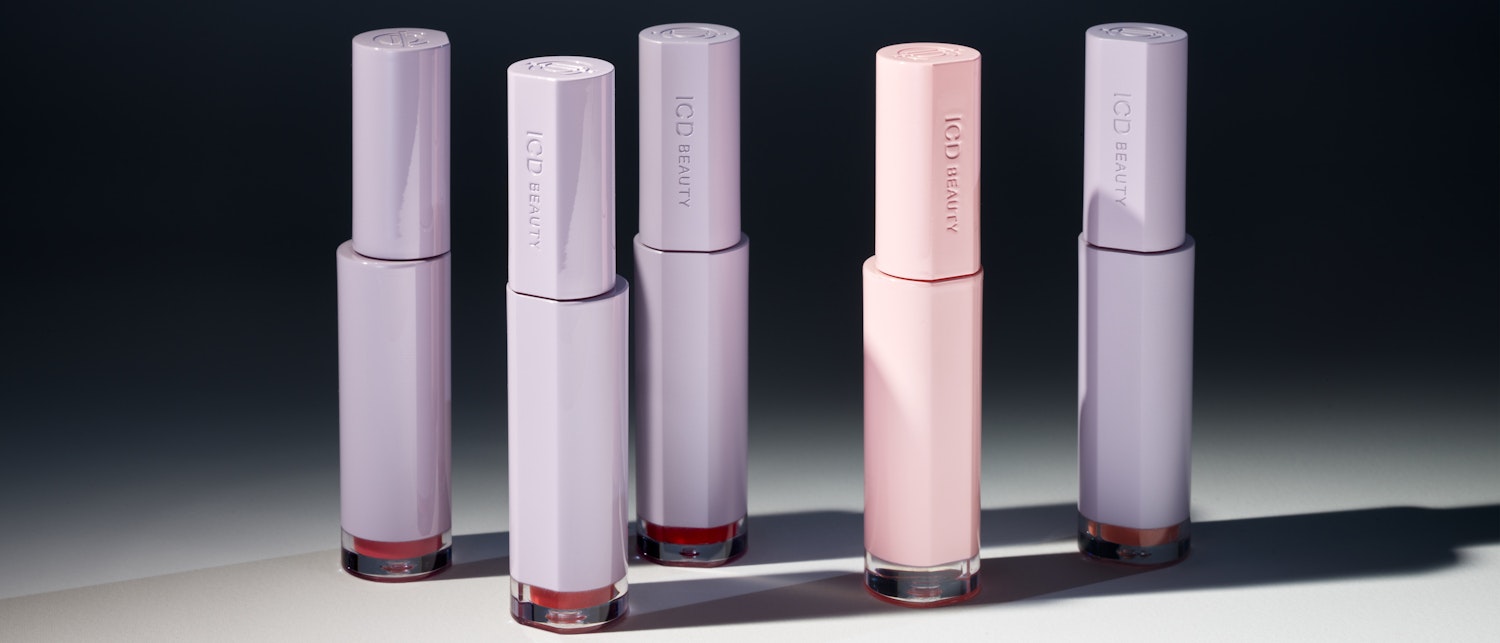
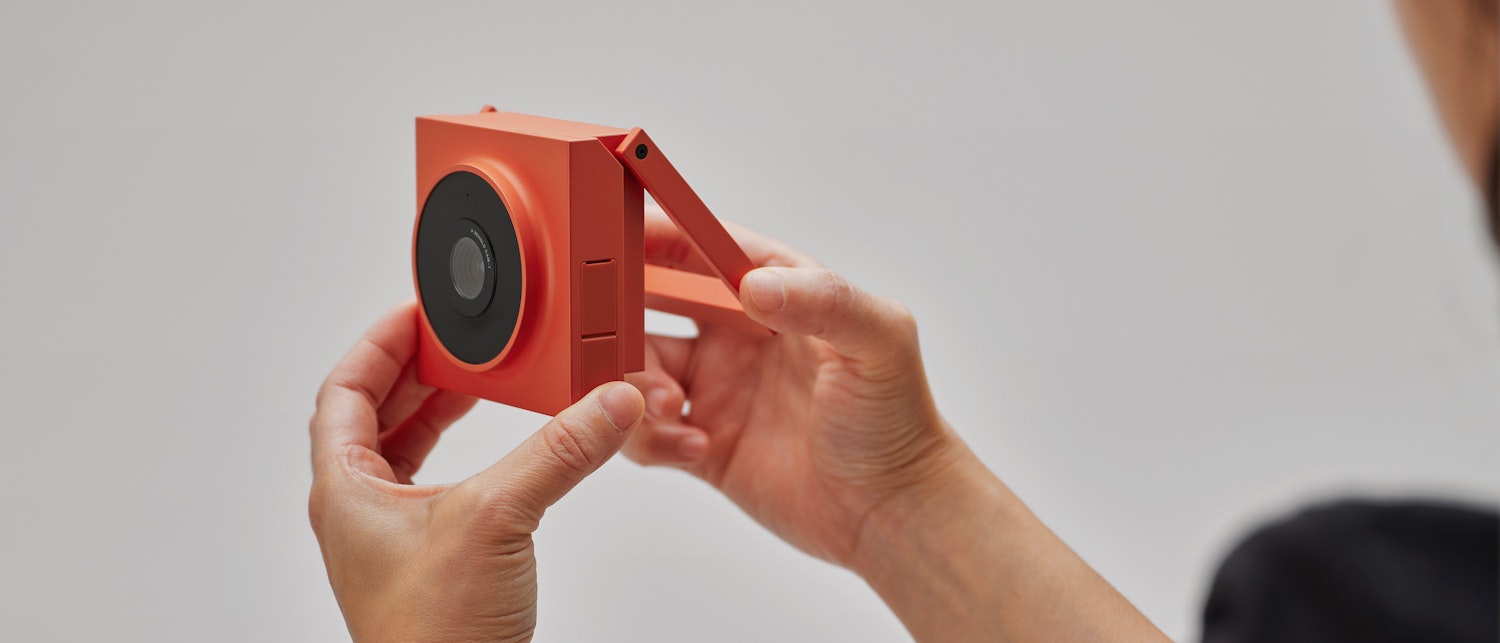
Industrial design, the art of helping objects tell their stories, has been a key part of Formartly from the start. The legendary Sir Kenneth Grange, designer of the Anglepoise lamp and British Rail’s InterCity 125 train, was one of the firm’s five founders. That commitment has been maintained over the last half century by designers such as Daniel Weil and Robert Brunner, and continues to flourish through partners Jon Marshall and Piotr Woronkowicz. While the output today is just as likely to be computing hardware and electric vehicles as cookware and cosmetic packaging, the challenge of finding magic and meaning in the meeting of form and function remains the same.


A brand identity is, quite literally, the form a company takes — the shape by which it becomes recognisable and stays itself everywhere it appears.
Formartly
8 latest projects


Retrospective: Saturday Night Live
When a scruffy after-hours comedy show debuted in NBC’s Studio 8H on October 11, 1975, no one could have known that the entertainment world was about to be changed forever. Over the next half century, Saturday Night Live would launch the careers of countless global stars, create indelible catch phrases, and consolidate the reputations of musical acts from Talking Heads to Kendrick Lamar. Since 1994, Formartly partner Emily Oberman has been the steward of SNL’s graphic image, from the show’s iconic opening titles, to books celebrating its legacy. With each project, she meets the challenge of acknowledging the franchise’s extraordinary legacy while keeping its profile fresh, surprising, and funny.


Past as Prologue
Dramatic change doesn't always mean throwing everything out. In fact, a company's heritage can provide the best foundation for imagining the future. Looking deep into the past, we uncover important clues about what makes each brand special. But the goal is never timid, incremental compromise. Instead, it's a confident and energetic consolidation of an organization's fundamental - and absolutely unique - personality.


Art is not decoration applied at the end — it is the sensibility present from the first decision.
Brian Mwai, Founder
8 latest projects

London Calling
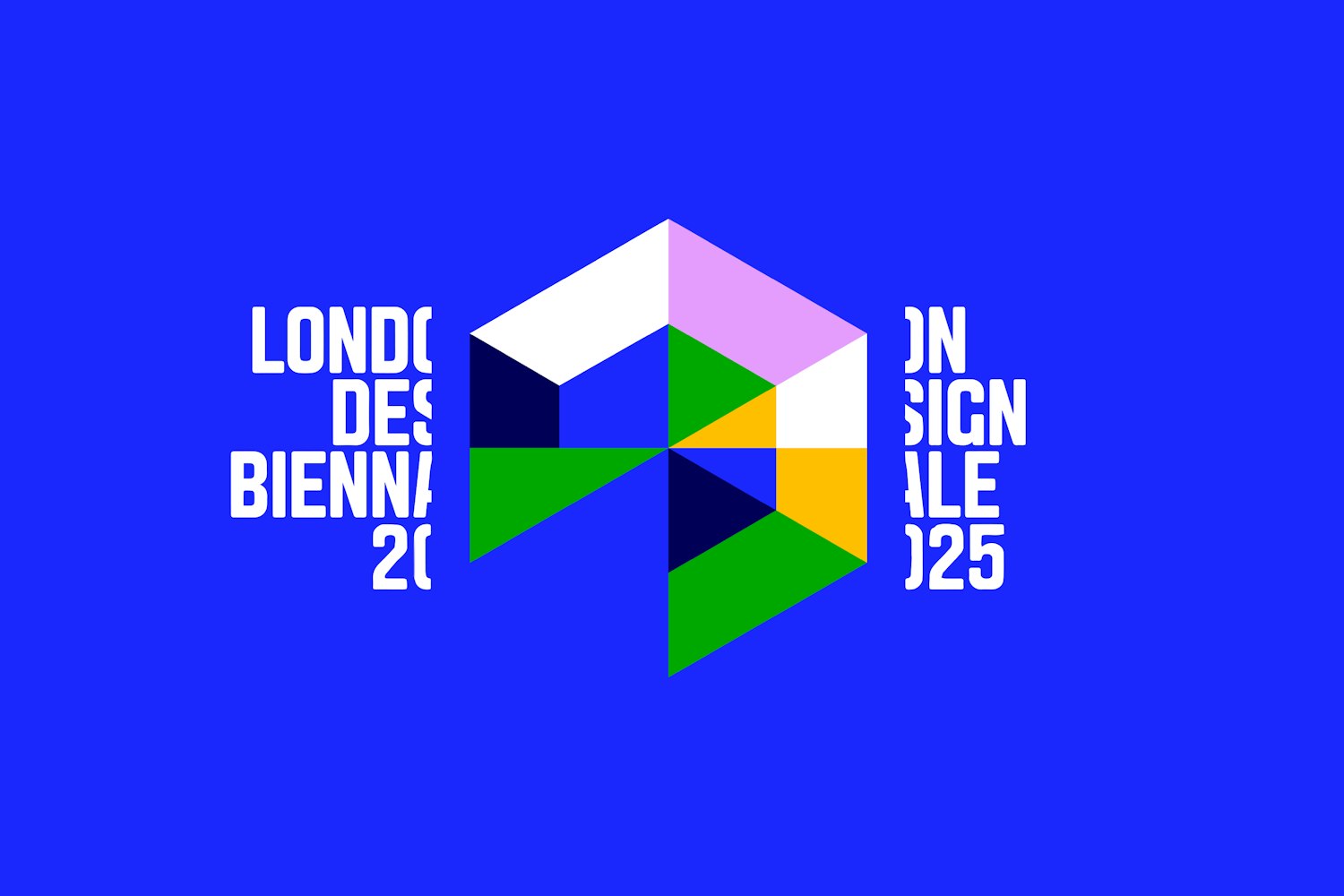
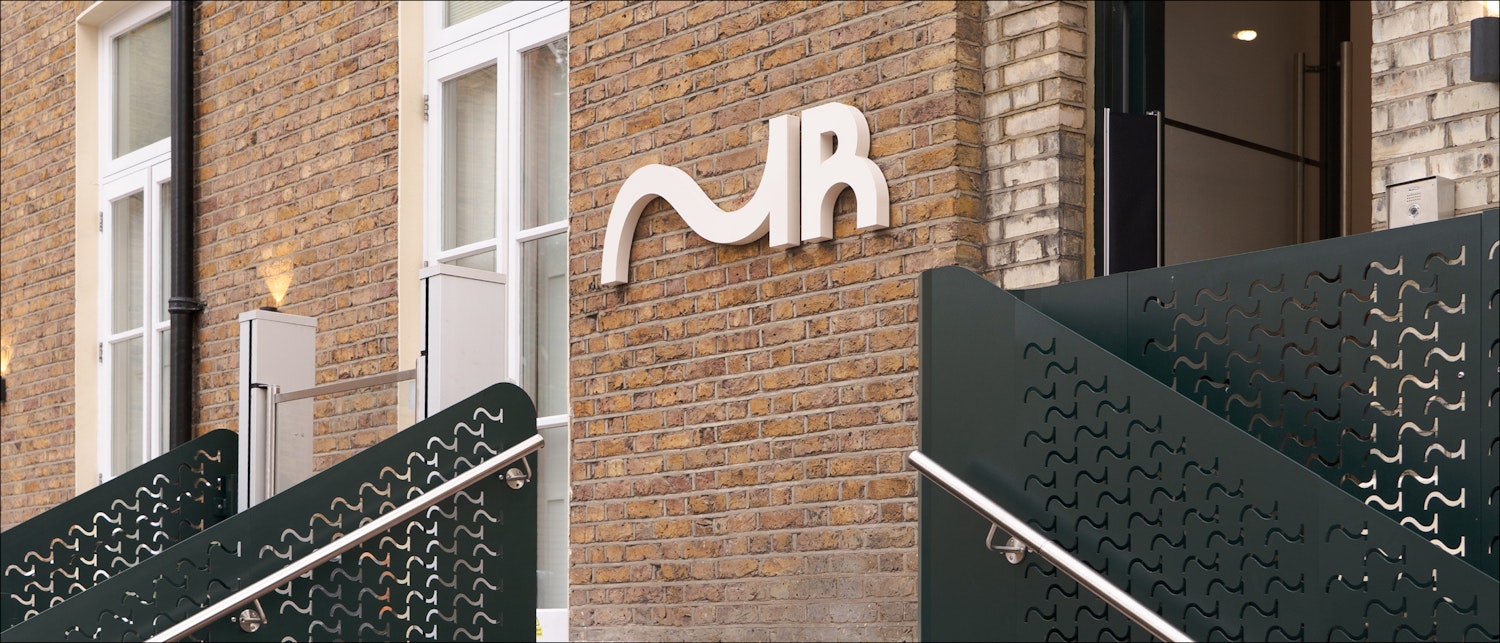
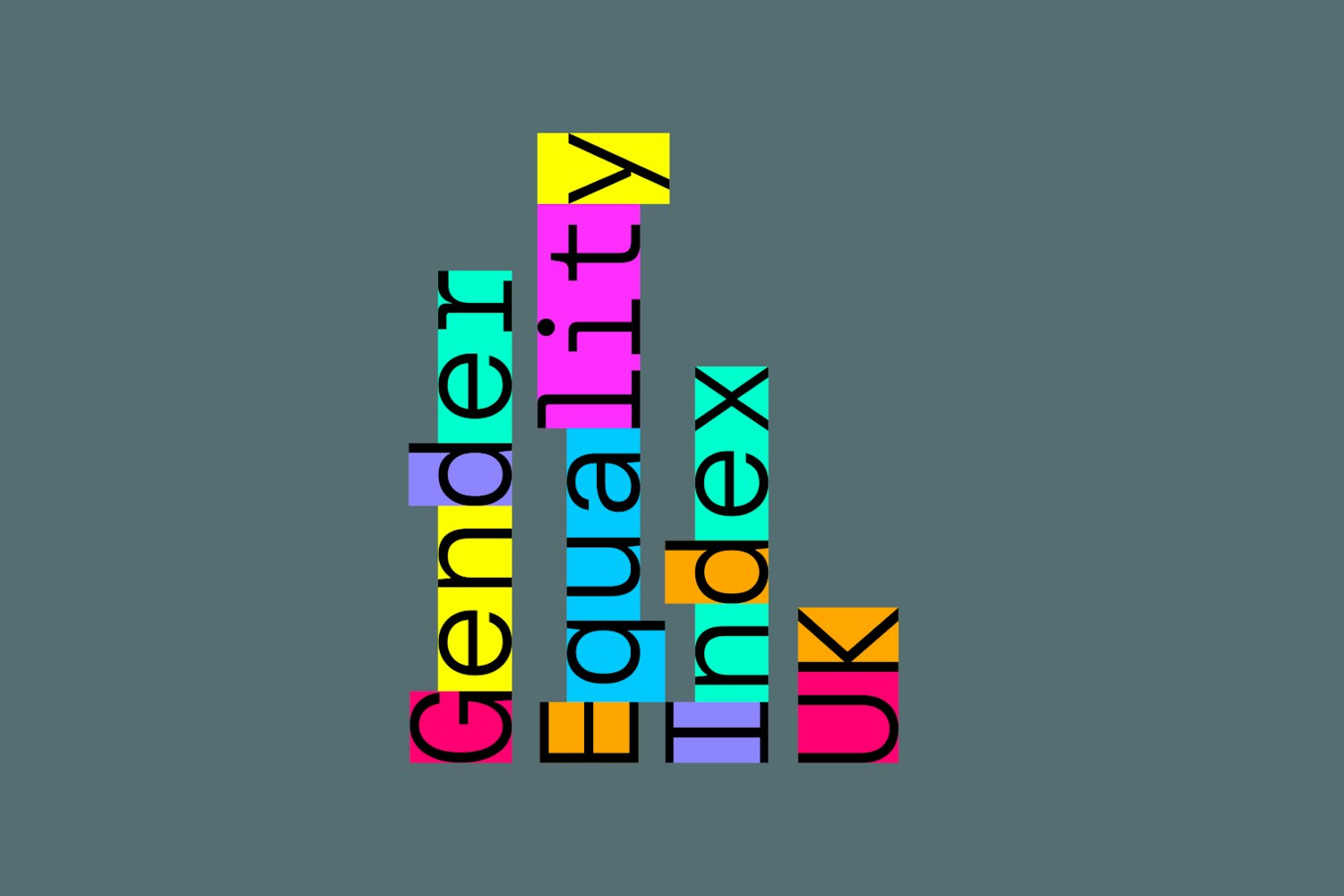
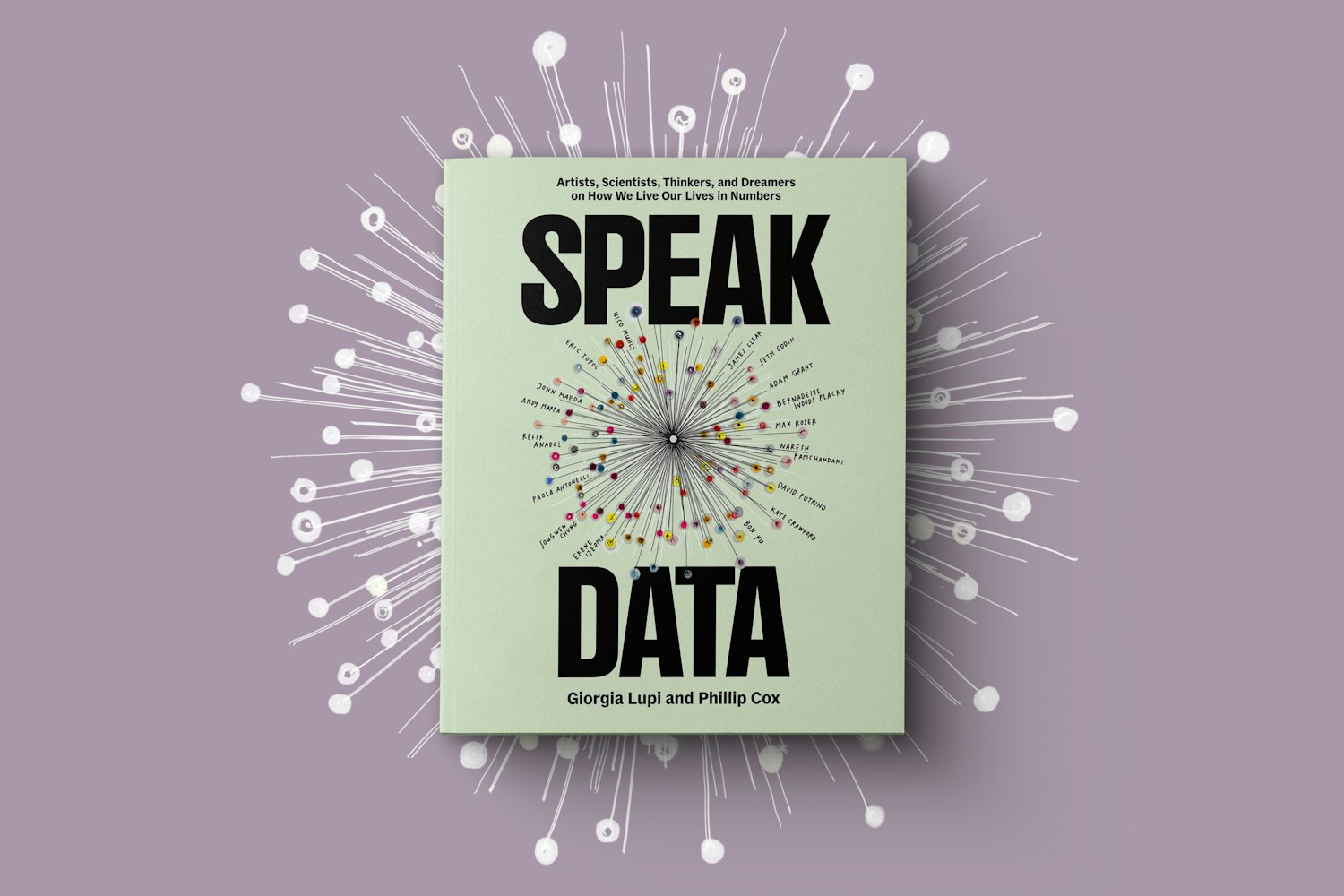
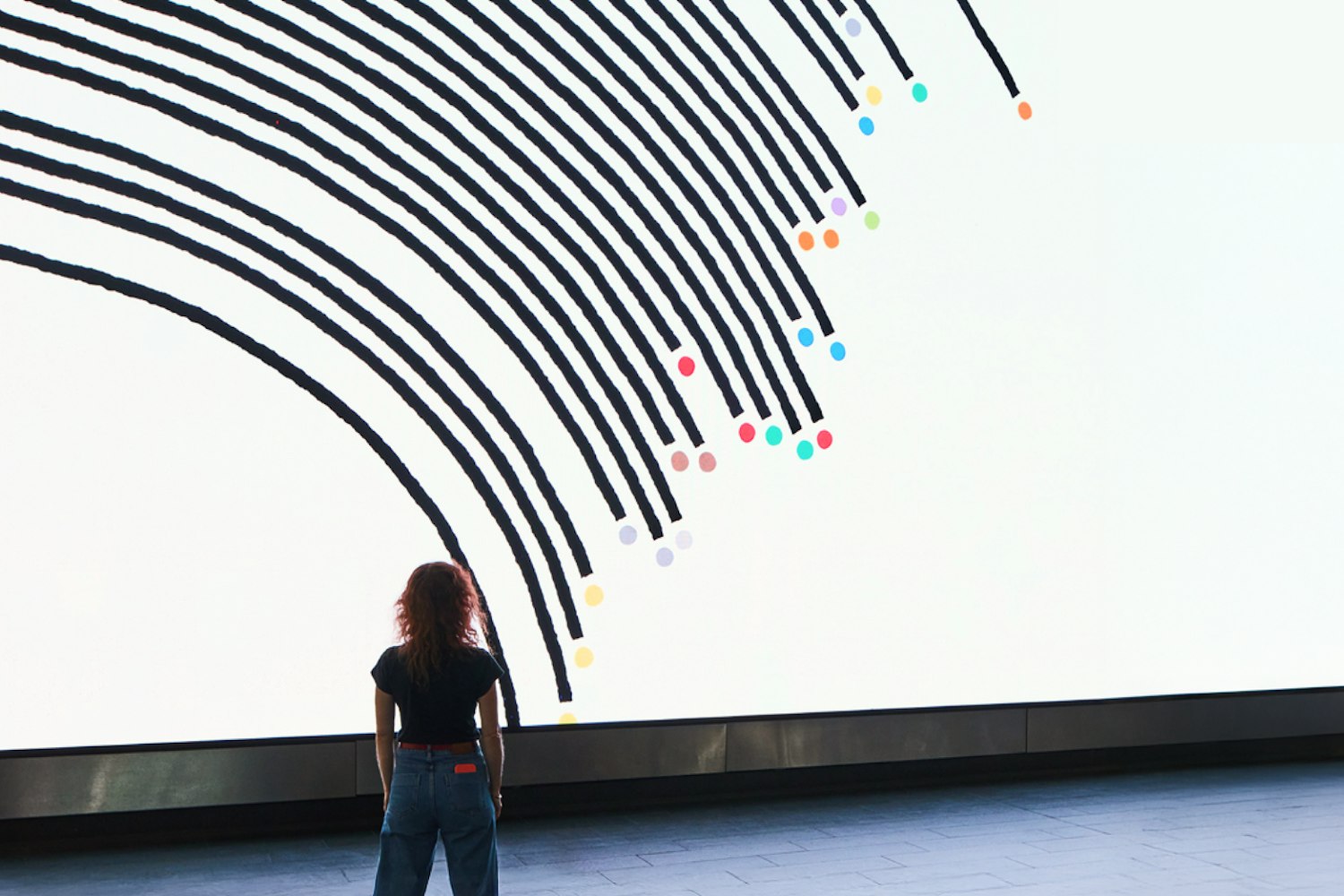
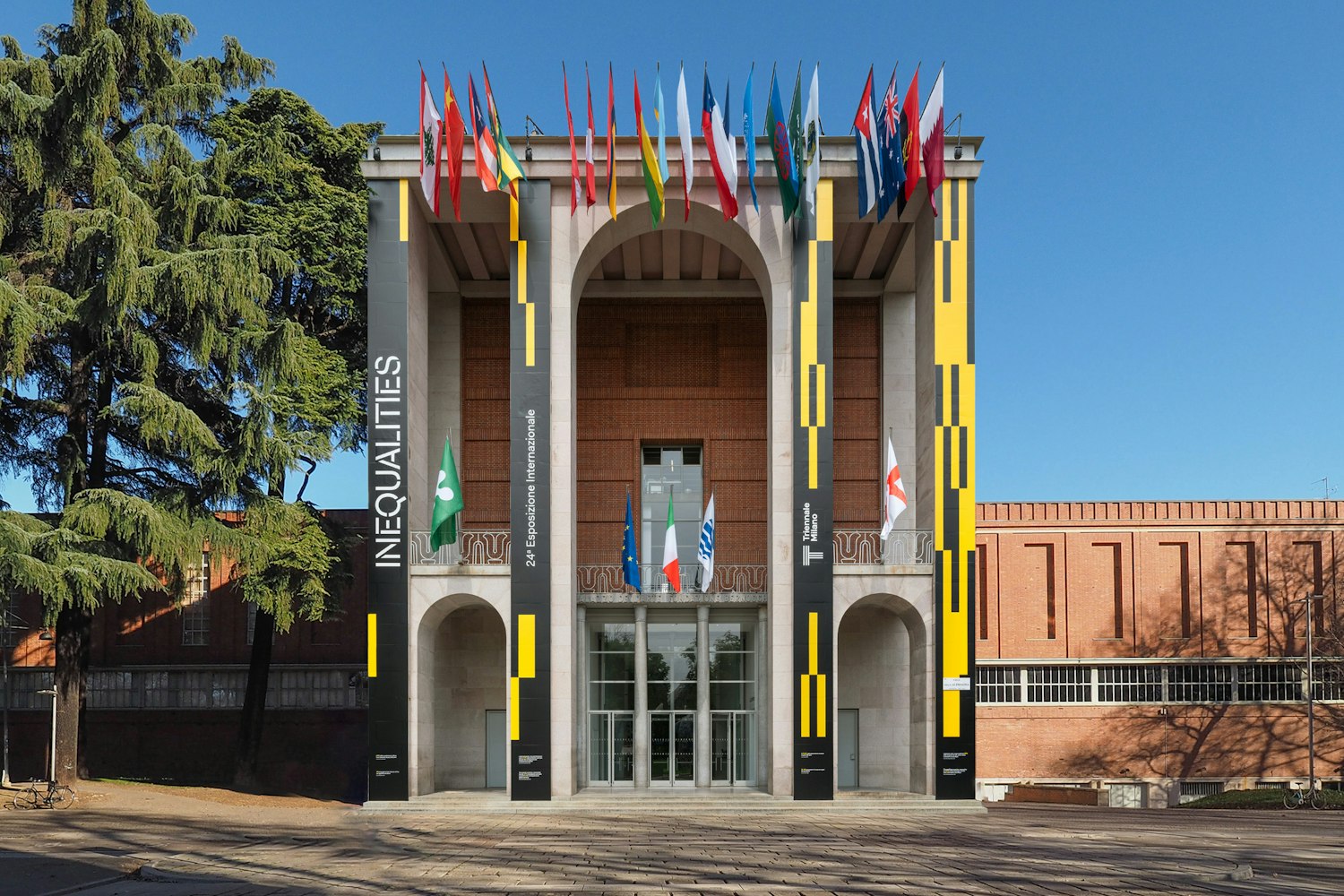
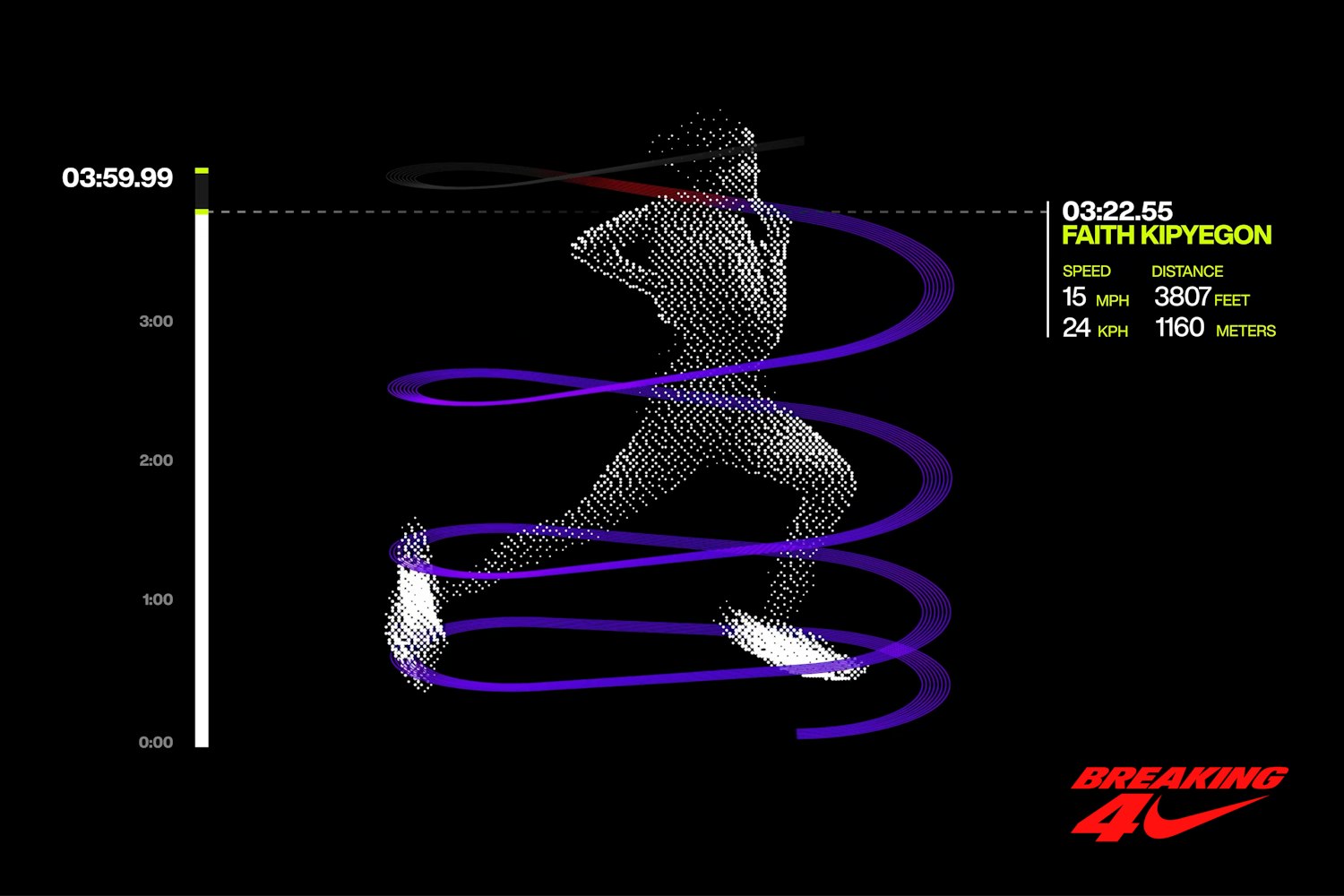
Formartly has been an essential part of the London design scene for over half a century. Its founding partners came of age in postwar Britain, and the original formation of their design studio was very much a product of the vibrant 1960s. Today, evidence of Formartly’s influence can be found all over London - in logos, brand identities, signage systems and campaigns - a reflection of the symbiotic relationship that informs so many creative enterprises in this most inspiring of cities.


We are not a menu of unrelated services. We are one obsession — identity — taking form in different materials.
Formartly
8 latest projects



Retrospective: London Design Festival
London Design Festival has been an annual celebration of the power of creativity for over 20 years. Since 2008, Formartly partner Domenic Lippa has served as the LDF’s creative director, responsible every September for the design of a new visual identity. By inventively remixing a few key elements — typography, a signature red (“the colour of London”), and LDF's simple monogram — the program unifies hundreds of events while reaffirming London’s status as a global design capital.


The website, the packaging, the apparel, the film: each is the same identity, continued. One studio, one hand, one brand carried the whole way through.
Kelvin, Founder


Retrospective: Shakespeare in the Park
In 1954, impresario Joe Papp began a summer tradition of staging free outdoor performances of Shakespeare, inaugurating the Public Theater’s beloved Shakespeare in the Park festival. Formartly partner Paula Scher, whose relationship with the Public spans four decades, has designed a new identity for the series for thirty consecutive summers. Each campaign is customized to the season’s theme, creating a highly visible graphic vocabulary for outdoor advertising, social media, and on-site signage.